


Diagnosis, Treatment and Follow-up of Blood Disorders in Children
Pediatric Hematology is a medical specialty concerned with the diagnosis, treatment and follow-up of disorders affecting the blood, bone marrow and lymphatic system in infants, children and adolescents.
Anemia, persistent fatigue, pallor, easy bruising, prolonged bleeding, recurrent infections and unexplained changes in blood counts may indicate an underlying hematological disorder. Early specialist assessment is important for identifying the cause and planning appropriate treatment and follow-up.
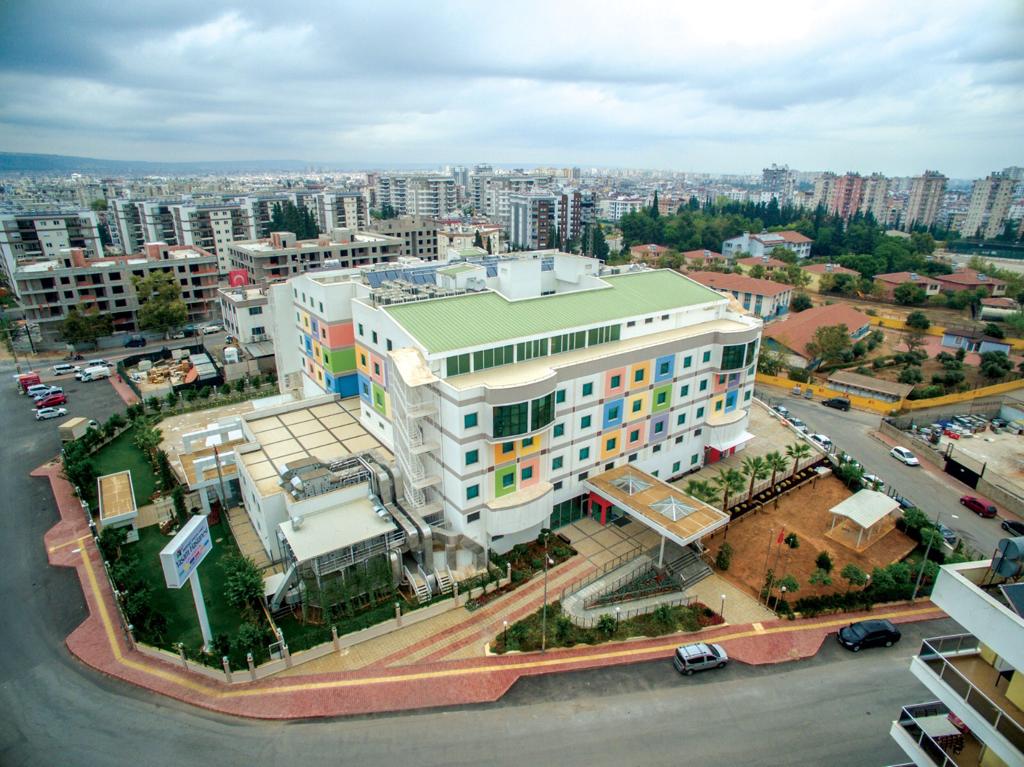
At the Pediatric Hematology Department of Akdeniz Health Foundation (ASV) Yaşam Hospital, childhood blood disorders are evaluated according to current scientific and clinical approaches.
Which Conditions Does Pediatric Hematology Treat?
Conditions evaluated in our department include:
- Thalassemia
- Hemoglobinopathies
- Iron deficiency anemia
- Other childhood anemias
- G6PD deficiency
- Pyruvate kinase deficiency
- Other red blood cell enzyme deficiencies
- Hereditary spherocytosis
- Hereditary elliptocytosis
- Other red blood cell membrane disorders
- Bone marrow failure syndromes
- Pancytopenia
- Immune thrombocytopenia (ITP)
- Other platelet disorders
- Leukopenia
- Neutropenia
- Leukemia
- Other pediatric blood disorders
Thalassemia and Hemoglobinopathies
Thalassemia is an inherited blood disorder that affects hemoglobin production. It may occur in different forms, ranging from carrier status to clinically significant disease.
Hemoglobinopathies are disorders that affect the structure or production of hemoglobin. The diagnostic process may include complete blood count, hemoglobin analysis and additional laboratory tests when required.
Regular follow-up of children with thalassemia or hemoglobin disorders is important for monitoring anemia, growth and development, iron accumulation and potential complications.
Anemia in Children
Anemia occurs when the hemoglobin level is lower than expected for a child’s age. Iron deficiency is one of the most common causes, but anemia may also be associated with vitamin deficiencies, inherited blood disorders, chronic diseases, infections or bone marrow conditions.
Symptoms of anemia in children may include:
- Pallor
- Fatigue
- Reduced exercise tolerance
- Loss of appetite
- Dizziness
- Palpitations
- Difficulty concentrating
- Delayed growth and development
Treatment is planned according to the underlying cause.
Red Blood Cell Enzyme and Membrane Disorders
Red blood cell enzyme disorders, including G6PD deficiency and pyruvate kinase deficiency, may affect the function and lifespan of red blood cells.
Red blood cell membrane disorders such as hereditary spherocytosis and hereditary elliptocytosis may alter the shape and durability of red blood cells. These conditions may cause anemia, jaundice, an enlarged spleen or episodes of hemolysis.
Platelet and Bleeding Disorders
Platelets play an essential role in blood clotting. A low platelet count or impaired platelet function may cause easy bruising, pinpoint skin bleeding, nosebleeds or prolonged bleeding.
Immune thrombocytopenia (ITP) is one of the platelet disorders seen in children. Assessment is based on clinical findings, complete blood count and other tests when necessary.
Leukopenia, Neutropenia and Recurrent Infections
White blood cells help protect the body against infections. Children with leukopenia or neutropenia may be more susceptible to bacterial, viral or fungal infections.
Recurrent fever, mouth ulcers, skin infections or a history of severe infections may require hematological evaluation.
Bone Marrow Failure and Pancytopenia
Bone marrow is responsible for producing blood cells. When it does not produce sufficient numbers of cells, anemia, susceptibility to infection and bleeding may occur together.
Pancytopenia refers to a reduction in red blood cells, white blood cells and platelets. This condition requires detailed hematological investigation.
Childhood Leukemia
Leukemia is a group of diseases that affect blood cell production in the bone marrow. Possible findings in children may include persistent fever, fatigue, pallor, easy bruising, bone pain, enlarged lymph nodes or unexplained abnormalities in blood counts.
These findings do not necessarily indicate leukemia. However, persistent or unexplained symptoms should be assessed by a physician.
When Should a Child See a Pediatric Hematologist?
Pediatric hematology consultation may be recommended in cases of:
- Persistent or recurrent anemia
- Unexplained low hemoglobin
- Suspected thalassemia carrier status or disease
- Family history of inherited blood disorders
- Easy bruising or frequent bleeding
- Prolonged nosebleeds
- Low platelet count
- Low white blood cell or neutrophil count
- Recurrent or severe infections
- Pallor, fatigue or reduced activity
- Unexplained enlargement of lymph nodes
- Enlarged liver or spleen
- Unexplained abnormalities in blood counts
- Suspected bone marrow disease
Diagnostic Process
The evaluation begins with a detailed medical and family history, followed by a physical examination. Depending on the child’s findings, the following tests may be considered:
- Complete blood count
- Peripheral blood smear
- Iron, ferritin and vitamin levels
- Hemoglobin analysis
- Hemolysis tests
- Coagulation tests
- Bone marrow examination
- Disease-specific laboratory studies
Not every test is required for every child. The diagnostic plan is individualized according to clinical findings.
Multidisciplinary Care
Some pediatric blood disorders may require collaboration between different medical specialties. When needed, care may be coordinated with:
- Pediatrics
- Pediatric Oncology
- Infectious Diseases
- Radiology
- Pathology
- Laboratory Medicine
- Nutrition and Dietetics
ASV Yaşam Hospital Pediatric Hematology Department
At our Pediatric Hematology Department, diagnosis, treatment and follow-up are planned according to the child’s age, symptoms, laboratory findings and individual medical needs.
A comprehensive approach is provided for thalassemia, hemoglobinopathies, childhood anemias, red blood cell enzyme and membrane disorders, platelet disorders, leukopenia, neutropenia and bone marrow diseases.
 Location
 Call
Call Make Appointment
 Detail Infos
 Make Appointment